Your Staff Shouldn’t Need to Ask You What to Do Next
When employees constantly rely on the owner for instructions, the business becomes harder to scale. This article looks at how clearer workflows can help staff see their work, managers see problems and owners stay focused on the business.
Marketing · 21 Aug 2026 · 3 Min.
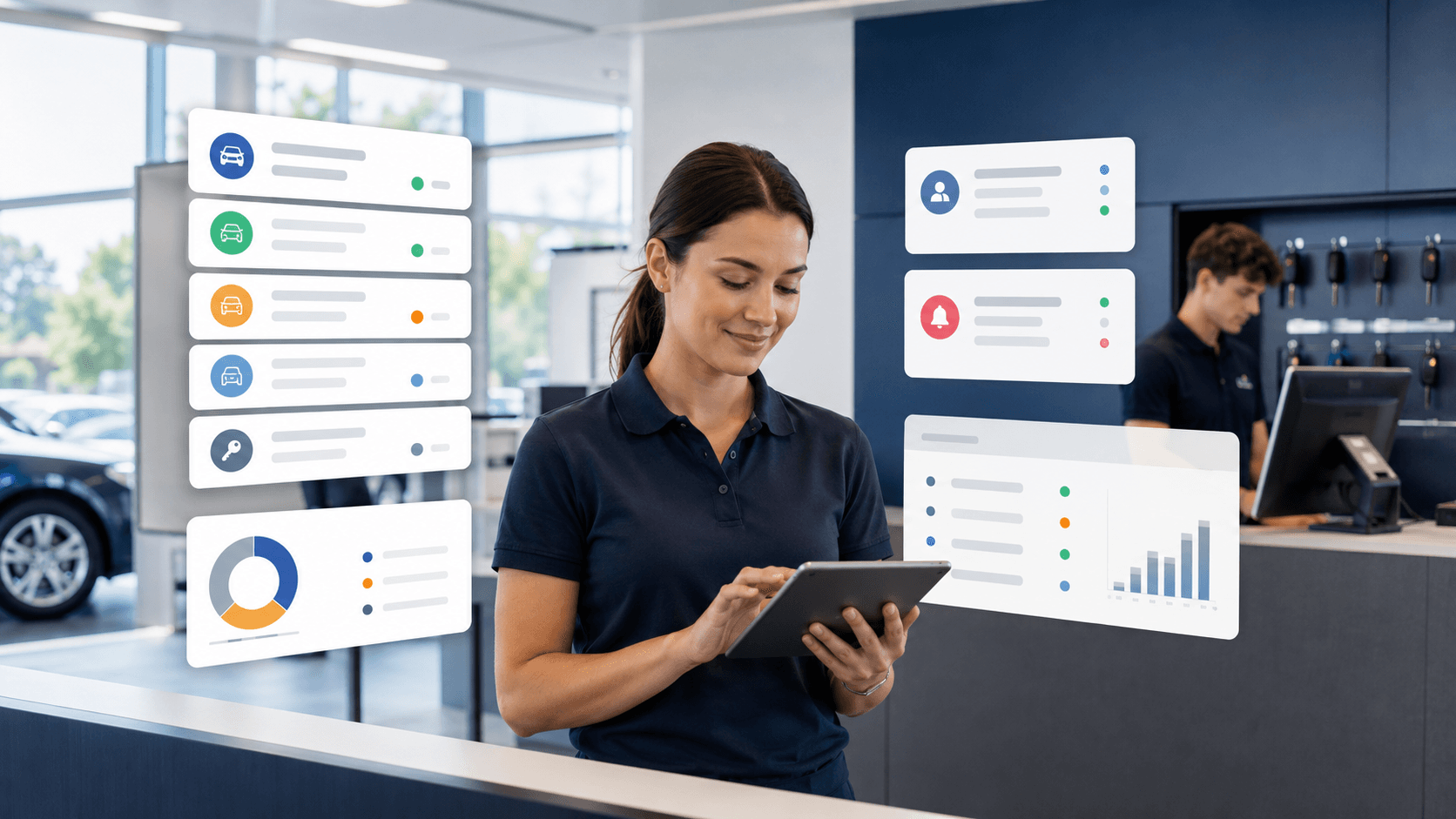
It is 8:30 in the morning.
Your team has:
- Three pickups today
- Two vehicles coming back
- One car that still needs cleaning
- A customer who has not completed payment
- Another customer who has not sent their licence
- A vehicle that needs maintenance soon
- One rental already running late
What should your employee do first?
In many businesses, the answer is:
Ask the owner.
That is a problem.
The owner cannot be everyone’s task list
Small businesses naturally depend heavily on their owners.
You know the customers.
You know the cars.
You know which problems actually matter.
So when an employee is unsure, they ask you.
That works.
But eventually you spend your day answering questions like:
“Did this customer pay?”
“Can I release this car?”
“Who is collecting this one?”
“Should I charge them?”
“Can I return the deposit?”
“This customer is late. What should I do?”
None of these questions are ridiculous.
The employee genuinely needs an answer.
But many of those answers could already be available.
Staff should be able to see today’s work
A frontline employee does not need to understand every part of the company.
They need to know:
What needs to be done now?
For example:
9:00 AM — Prepare Toyota Axio
Customer arrives at 10:00 AM.
- Clean vehicle
- Confirm fuel
- Record mileage
- Complete condition check
10:00 AM — Customer pickup
- Verify licence
- Confirm payment
- Collect deposit
- Complete handover
Attention needed
Nissan Note — return 38 minutes late
Now the employee can work.
They are not digging through calendars.
They are not checking three WhatsApp groups.
They are not trying to remember what the manager told them yesterday.
Managers need something different
A manager does not need to watch every completed task.
They need to see exceptions.
What is late?
What has not been paid?
Which car is unavailable?
Which customer has a problem?
Where is an employee stuck?
What requires approval?
The manager should spend their attention where management is actually needed.
And the owner needs something different again
The owner should not be looking at the same screen as the employee preparing a car.
The owner needs to understand things like:
- What’s happening today?
- Which vehicles are performing well?
- Where are we losing money?
- What needs my attention?
- Are there recurring problems?
- How is the business doing?
Different people have different jobs.
Their software should recognise that.
The best question is the one nobody needs to ask
Every time an employee has to ask:
“What should I do now?”
some information is missing.
Maybe the instruction was unclear.
Maybe the customer information is somewhere else.
Maybe the employee cannot see the payment.
Maybe the system recorded the problem but did not tell anyone.
Whatever the reason, the result is the same:
Someone stops working and starts looking for an answer.
We think software should reduce that uncertainty.
The employee should see the work.
The manager should see the problems.
The owner should see the business.
And fewer people should need to ask:
“What am I supposed to do next?”
Mehr
If Your Software Creates More Work, What’s the Point?
More features do not always make software better. This article looks at why good car rental software should handle complexity in the background while keeping everyday work simple for employees, managers and owners.
21 Aug 2026 · 3 min
You Shouldn’t Need to Become a Web Designer to Rent Cars Online
Car rental operators should not have to build and connect complicated websites just to accept bookings. This article explains why getting online should be as simple as adding your vehicles, prices, policies and business information.
21 Aug 2026 · 3 min
A Late Return Is Not Just a Status. It Is Work That Needs Doing.
Knowing that a vehicle is late is only the beginning. This article explores how rental software should help staff understand what happened, what is at risk and what they need to do next.
21 Aug 2026 · 3 min
Kommentare