Why Should One Rental Live in Five Different Places?
A rental starts with a booking, but it also includes documents, payments, deposits, vehicle condition, mileage, fuel and the final return. This article explains why all of that information should live together as one complete rental record.
Marketing · 21 Aug 2026 · 3 min

Think about everything that happens during one normal rental.
A customer books a vehicle.
They send their documents.
They pay.
The car is prepared.
A deposit may be collected.
The vehicle goes out.
Fuel and mileage are recorded.
The customer returns.
The vehicle is checked again.
Maybe there is an extra charge.
Maybe there is damage.
Maybe part of the deposit needs to be held.
Then the rental is finally closed.
That is one rental.
So why is its information often spread across five different places?
The booking is only the beginning
Most booking systems are very good at answering questions like:
- Who booked?
- Which car?
- What dates?
- How much?
Those things matter.
But once the customer arrives, the business needs much more.
You may also need:
- Driving licence details
- Passport or ID
- Rental agreement
- Payment history
- Deposit information
- Pickup mileage
- Fuel level
- Vehicle condition
- Photos
- Return mileage
- Late charges
- Damage charges
- Notes from employees
- Deposit release
These are not separate stories.
They are all part of the same rental.
When the information is scattered, simple questions become difficult
Imagine a customer calls and says:
“Why haven’t I received my deposit yet?”
To answer that properly, you might need to check:
- Whether the rental was fully paid
- When the vehicle was returned
- Whether any damage was recorded
- Whether there were additional charges
- Whether someone already approved the deposit release
- Whether the refund was actually processed
If those answers live in different systems, folders and conversations, something that should take seconds can take several minutes.
Multiply that across dozens or hundreds of rentals.
That is a lot of unnecessary work.
One rental should tell one complete story
Open the rental.
See the customer.
See the vehicle.
See the documents.
See what was paid.
See what is still due.
See when the car left.
See how it came back.
See what happened during the rental.
See whether anything still needs to be resolved.
Simple.
That also makes life easier when different employees handle different parts of the same rental.
The person preparing the car does not need to ask the person who created the booking what happened.
The return employee does not need to search through WhatsApp for an old conversation.
The manager does not need to ask three people before approving a deposit.
The rental itself becomes the record.
It also creates accountability
When everything is spread across messages and spreadsheets, it can be surprisingly difficult to answer:
Who did what?
Was the vehicle inspected?
Was the customer charged?
Was the damage photographed?
Was the deposit reviewed?
Was the rental extended?
Was the payment collected?
A complete rental history makes those answers much clearer.
That protects the business.
It also protects employees and customers from confusion.
This sounds obvious because it should be obvious
A rental is one continuous journey.
From booking to return.
The software running the business should treat it that way.
That is why Resurve is being built so that the booking does not disappear into a maze of separate tools once the customer arrives.
One customer. One vehicle. One rental. One complete record.
More

If Your Software Creates More Work, What’s the Point?
More features do not always make software better. This article looks at why good car rental software should handle complexity in the background while keeping everyday work simple for employees, managers and owners.
21 Aug 2026 · 3 min
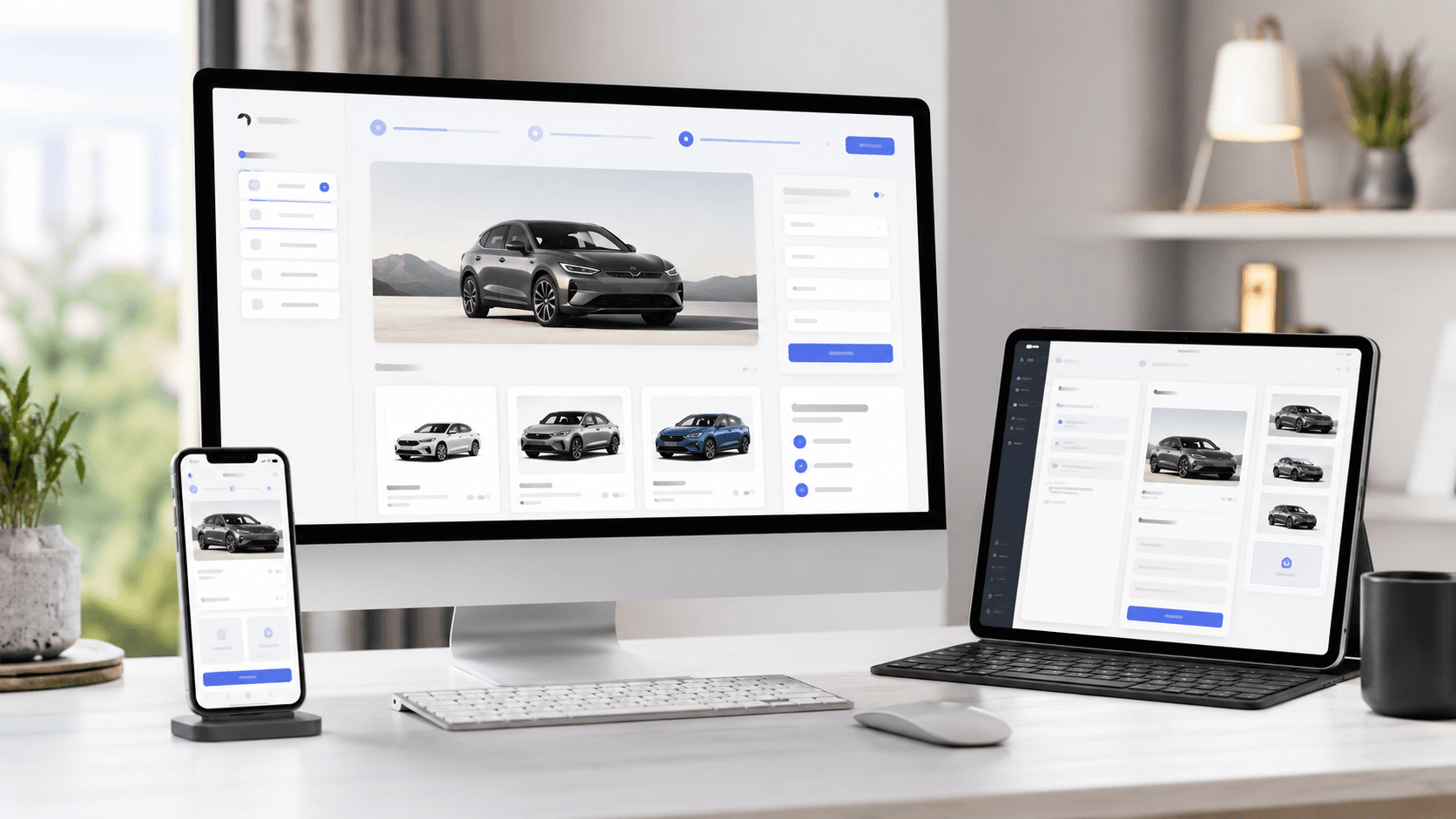
You Shouldn’t Need to Become a Web Designer to Rent Cars Online
Car rental operators should not have to build and connect complicated websites just to accept bookings. This article explains why getting online should be as simple as adding your vehicles, prices, policies and business information.
21 Aug 2026 · 3 min

Your Staff Shouldn’t Need to Ask You What to Do Next
When employees constantly rely on the owner for instructions, the business becomes harder to scale. This article looks at how clearer workflows can help staff see their work, managers see problems and owners stay focused on the business.
21 Aug 2026 · 3 min
Comments